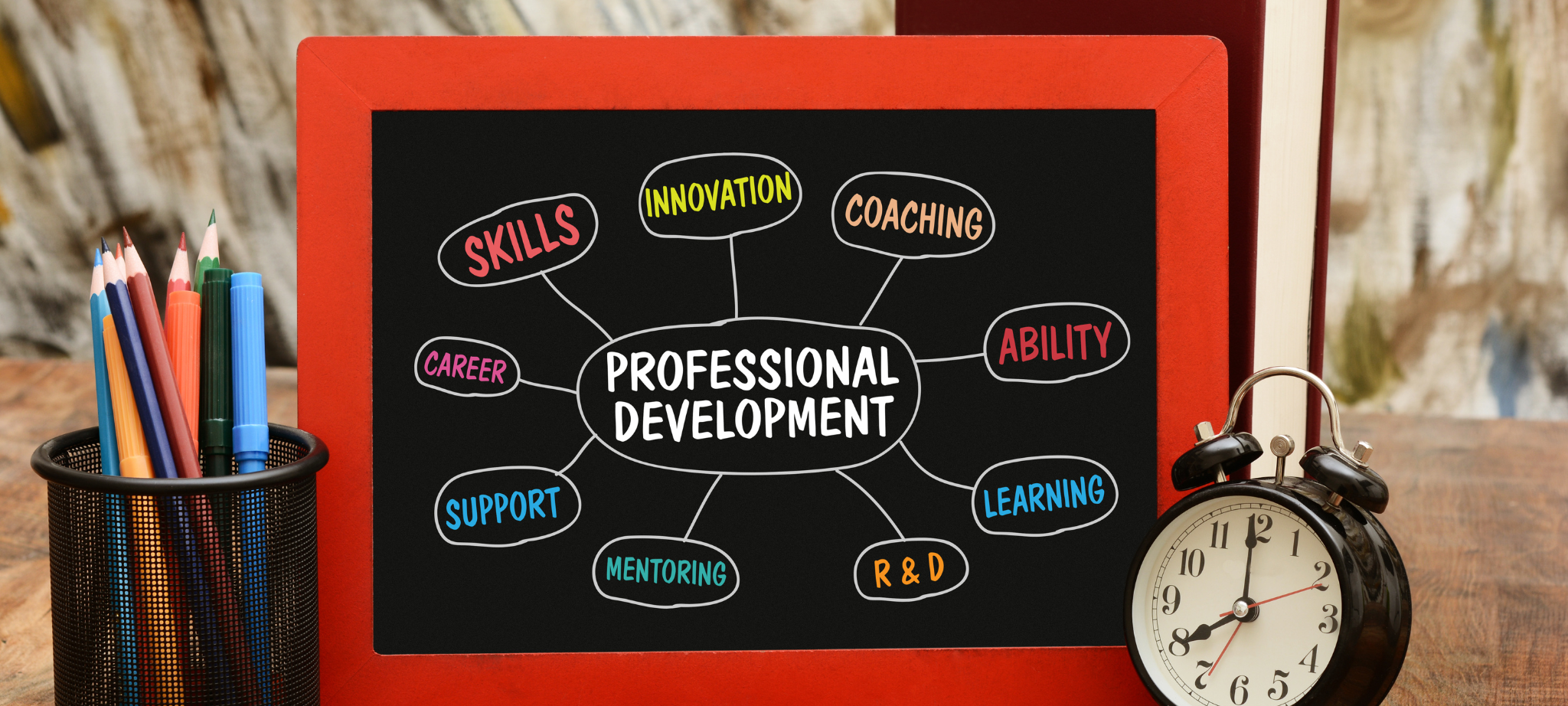

In today's competitive job market, it's more important than ever to continually develop and enhance your skills to stand out and succeed in your career.
One key way to do this is by mastering your craft through ongoing training and education.
But with so many training tools and resources available, it can be overwhelming to know where to start or which ones will be most effective.
In this article, we'll explore how training tools can enhance your professional development and provide you with the knowledge and skills you need to excel in your field.
From online courses to mentorship programs, we'll cover a range of options to help you find the best fit for your learning style and career goals.
Whether you're just starting in your career or looking to take your skills to the next level, investing in your professional development is a key step toward success.
What Are Employee Training Tools?

Employee training tools are resources or methods that organizations use to provide training and development opportunities for their employees.
Learning and development in the workplace are deemed important by 87% of millennials.
These tools can take many forms, including:
1. Classroom-Based Training
Traditional classroom-style training where employees learn from an instructor in a group setting.
2. Online Courses
Web-based training can be accessed from anywhere with an internet connection.
3. E-Learning Platforms
Online platforms provide a range of training resources, including videos, interactive tutorials, quizzes, and assessments.
4. Workshops And Seminars
Interactive training sessions that focus on specific topics or skills are often led by experts in the field.
5. On-The-Job Training
Hands-on training provided by a supervisor or more experienced colleague in the workplace.
6. Mentoring Programs
Pairing less experienced employees with more senior colleagues who can provide guidance and support.
7. Job Rotation
Moving employees through different roles within the organization provides a broader understanding of the business and develop new skills.
Overall, employee training tools are designed to provide employees with the knowledge and skills they need to perform their jobs effectively, improve their performance, and advance their careers within the organization.
Benefits Of Tools For Training And Development

There are many benefits of using tools for training and development in the workplace.
Some of the key benefits include:
1. Improved Job Performance
Training and development tools provide employees with the knowledge and skills they need to perform their jobs effectively, leading to improved job performance and increased productivity.
2. Increased Employee Satisfaction
When employees feel that their organization is investing in their professional development, they are more likely to feel valued and satisfied with their job.
3. Enhanced Employee Retention
Providing training and development opportunities can increase employee loyalty and reduce turnover rates, as employees are more likely to stay with an organization that invests in their growth.
4. Greater Competitiveness
Organizations that invest in employee training and development tend to be more competitive in their industry, as they can adapt more quickly to changes and stay ahead of the competition.
5. Improved Innovation
Providing employees with the skills and knowledge they need to innovate and think creatively can lead to new ideas and approaches that can benefit the organization.
6. Increased Morale
Training and development can create a positive work environment and boost employee morale, leading to a happier and more engaged workforce.
Overall, tools for training and development can have a positive impact on both employees and organizations, leading to improved job performance, increased employee satisfaction and retention, greater competitiveness, and improved innovation.
Best Practices For Training Tools

When using training tools to develop employees, it is important to follow some best practices to ensure that the training is effective and meets the needs of both the organization and the employees.
A majority of employees (74%) are willing to acquire new skills or undergo retraining to maintain their employability.
Some best practices for training tools include:
1. Setting Clear Learning Objectives
Before beginning any training, it is important to clearly define the learning objectives and what employees should be able to accomplish after completing the training.
2. Providing A Variety Of Training Methods
Different employees have different learning styles, so it is important to provide a variety of training methods, such as classroom-based training, online courses, and on-the-job training.
3. Making The Training Relevant
The training should be relevant to the employee's job duties and should provide practical skills and knowledge that can be applied to their work.
4. Including Interactive Elements
Interactive elements such as group discussions, case studies, and role-playing can help engage employees and reinforce learning.
5. Providing Ongoing Support
Employees may need ongoing support and resources after completing the training, such as access to mentors, job aids, or follow-up training sessions.
6. Measuring The Effectiveness Of The Training
It is important to evaluate the effectiveness of the training to ensure that it meets the learning objectives and provides a return on investment for the organization.
7. Encouraging Feedback
Feedback from employees can help improve the training program and ensure that it meets their needs and expectations.
By following these best practices, organizations can ensure that their training programs are effective and provide employees with the knowledge and skills they need to succeed in their jobs.
Enhance Employee Training With Oreed
Are you ready to take your employee training to the next level?
Look no further than Oreed - the cutting-edge education intelligence platform that can revolutionize the way you approach professional development.
1. Comprehensive Employee Understanding
With Oreed, you'll gain a comprehensive understanding of your employees' strengths, weaknesses, and training needs, thanks to the platform's advanced analytics.
Say goodbye to guesswork and hello to data-driven decisions that will help you improve your team's skills and performance.
2. Customized Training/Courses
What's more, you can develop customized training and courses that address your team's unique needs and measure the impact and effectiveness of your training efforts with detailed analytics and reporting.
3. Game-Changer For Organizations
Oreed is more than just a learning platform - it's a game-changer for your organization's productivity and profitability.
With personalized learning paths and guided learning journeys, employees can focus on the areas where they need the most improvement and make progress at their own pace.
The benefits don't stop there - by increasing employee productivity, Oreed can help your company achieve higher levels of efficiency and profitability, and even increase revenue and customer engagement by up to 10x.
So what are you waiting for? Take advantage of the powerful insights and tailored training programs that Oreed can offer, and watch your team soar to new heights of success.
So why wait? Give Oreed a try today and see the difference it can make for your organization.
Promote lifelong learning through Oreed by experiencing the most powerful all-in-one training and development intelligent platform that streamlines all your organization's learning, training, and development activities in one place.
Final Thoughts
In conclusion, mastering your craft through ongoing training and development is crucial for success in today's competitive job market.
With the plethora of training tools and resources available, it is important to select the right tools that meet your learning style and career goals.
Organizations should also consider providing a variety of training methods and ongoing support to ensure that their employees are equipped with the skills and knowledge they need to excel in their roles.
By following best practices for these tools, organizations can create effective training programs that lead to improved job performance, increased employee satisfaction and retention, and greater competitiveness.
Ultimately, investing in your professional development is a key step towards achieving success in your career and reaching your full potential.
FAQs
1. What are some types of management training tools?
There are various types of management training tools that organizations can use to develop their managers and leaders.
These tools can be classified into leadership training programs, coaching and mentoring programs, classroom-based training, online courses, on-the-job training, conferences and seminars, and simulations and case studies.
Leadership training programs focus on developing managers' leadership skills and motivating and inspiring their teams.
Coaching and mentoring programs pair managers with more experienced colleagues who can offer guidance and support.
Classroom-based training and online courses can provide managers with a broad range of skills, while on-the-job training allows them to learn by doing and working closely with their teams.
Conferences and seminars can provide opportunities to learn from experts and network with other professionals.
Simulations and case studies allow managers to practice decision-making and learn from real-world scenarios.
Ultimately, the type of management training tool selected will depend on the organization's specific needs and goals.
2. How do you enhance professional development?
To enhance professional development, individuals can take several steps.
First, they should identify their career goals and what skills and knowledge they need to achieve those goals.
This can involve self-reflection, seeking feedback from others, and researching industry trends and best practices.
Once individuals have identified their development needs, they can seek out training and development opportunities, such as workshops, courses, and conferences.
Networking with peers and mentors can also provide valuable learning opportunities and support.
In addition, individuals can seek out challenging assignments and projects that allow them to apply and develop new skills.
Finally, it is important to reflect on progress and adjust goals and development plans as necessary to continue growing and developing professionally.
More Articles